Introduction.
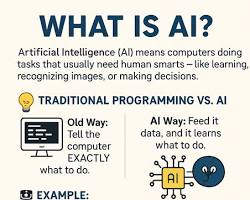
Artificial Intelligence (AI) is no longer a futuristic idea. It is now an essential part of our daily lives. From the moment you wake up and check your phone to when you watch a movie or shop online, AI quietly works behind the scenes. It makes life easier, faster, and more personalized.
Many people believe AI is only used in advanced robotics or high-tech labs. In reality, it powers the apps, devices, and services we use every day. Platforms like ChatGPT, streaming services, navigation apps, and banking systems rely heavily on AI.
In this article, we will explore how AI works in everyday life. We will break it down into simple explanations, real-world examples, and practical insights.
What Does It Mean for AI to “Work” in Daily Life?
When we say AI “works,” we mean that machines perform tasks that usually require human intelligence. These tasks include:
- Learning from data
- Recognizing patterns
- Making decisions
- Understanding language
- Predicting outcomes
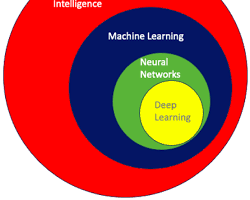
AI systems achieve this using techniques from Machine Learning. Algorithms learn from past data and improve over time.
For example, when your phone suggests the next word while typing, it uses AI to predict what you might say next based on patterns.
AI in Smartphones.
Smartphones are one of the most common places where we encounter AI daily.
Voice Assistants
Voice assistants like Siri and Google Assistant use AI to understand your voice commands and respond appropriately. They depend on speech recognition and Natural Language Processing (NLP).
You can ask questions, set alarms, send messages, or control smart devices—all powered by AI.
Predictive Text and Autocorrect
When you type a message, your phone suggests words or corrects spelling mistakes. This involves AI analyzing your typing habits and language patterns.
Facial Recognition.
Many smartphones use AI for face unlock features. AI scans and recognizes your face with computer vision technology.
AI in Social Media
Social media platforms are heavily driven by AI algorithms.
Content Recommendations
Platforms like Facebook and Instagram use AI to decide what content appears in your feed.
AI analyzes:https://www.ibm.com/think/topics/ai-analytics
- What you like
- What you share
- How long you view posts
Based on this, it shows content tailored to your interests.
Image and Video Recognition
AI can detect faces, objects, and even emotions in photos. This capability helps with tagging people automatically.
Moderation and Safety.
AI systems monitor harmful content, spam, or inappropriate posts and remove them automatically.
AI in Online Shopping
E-commerce platforms use AI to improve user experience and boost sales.
Product Recommendations
When you shop on Amazon, AI suggests products based on your browsing and purchase history.
Personalized Ads.
AI tracks your interests and shows ads that match your preferences, making them more relevant.
Chatbots
Many websites use AI chatbots to answer customer queries instantly.
AI in Entertainment
AI plays a major role in how we consume entertainment.
Movie and Music Recommendations
Streaming platforms like Netflix and Spotify use AI to recommend movies, shows, and music.
Content Creation.
AI tools can now generate music, art, and even videos, transforming creative industries.
AI in Navigation and Transportation
AI helps people travel more efficiently and safely.
GPS and Route Optimization
Apps like Google Maps use AI to:
- Predict traffic
- Suggest the fastest routes
- Provide real-time updates
Ride-Sharing Services.
Platforms like Uber use AI to match drivers with passengers and calculate fares.
Self-Driving Cars
AI enables autonomous vehicles to detect objects, follow traffic rules, and make driving decisions.
AI in Healthcare
Healthcare is one of the most important areas where AI is making a difference.
Disease Diagnosis
AI can analyze medical images and detect diseases faster and more accurately than humans in some cases.
Virtual Health Assistants
AI-powered tools help patients track symptoms and get medical advice.
Drug Discovery.
AI speeds up the discovery process of new medicines.
AI in Education
AI is changing how people learn.
Personalized Learning
AI systems adapt lessons based on a student’s performance and learning style.
Smart Tutors.
AI-powered tutors provide instant feedback and explanations.
Automation for Teachers
AI assists teachers in grading assignments and managing administrative tasks.
AI in Banking and Finance
AI improves security and efficiency in financial systems.
Fraud Detection.
Banks use AI to identify unusual transactions and prevent fraud.
Customer Support
AI chatbots assist customers with banking questions 24/7.
Investment Analysis
AI analyzes market trends and helps investors make decisions.
AI in Smart Homes
Smart homes are becoming more common thanks to AI.
Smart Devices
Devices like smart thermostats and lights learn your preferences and adjust automatically.
Home Security
AI-powered cameras detect unusual activity and send alerts.
AI in Workplaces
AI is changing how businesses operate.
Automation
AI automates repetitive tasks like data entry and scheduling.
Data Analysis
AI helps businesses analyze large amounts of data quickly.
Customer Insights
Companies use AI to understand customer behavior and improve services.
Benefits of AI in Everyday Life
AI offers many advantages that enhance daily living.
Convenience
AI makes tasks easier and faster.
Personalization
AI customizes experiences to individual preferences.
Efficiency
AI saves time by automating tasks.
Accuracy
AI reduces errors in decision-making.
Challenges of AI in Daily Life
Despite its benefits, AI also presents some challenges.
Privacy Issues
AI systems often need access to personal data.
Dependence on Technology
Over-reliance on AI may diminish human skills.
Job Displacement
Automation may eliminate certain jobs.
Bias in AI
AI systems can reflect biases in their training data.
The Future of AI in Everyday Life
AI will continue to grow and evolve.
Smarter Devices
Devices will become more intelligent and responsive.
More Automation
More tasks will be automated across industries.
Better Human-AI Interaction
AI will communicate in a more natural and human-like way.
How to Use AI in Your Daily Life
You can make the most of AI by:
- Exploring AI-powered apps
- Using smart assistants
- Trying AI tools for productivity
- Learning basic AI concepts
Conclusion.
Artificial Intelligence is already a powerful part of everyday life. It works quietly in the background, helping us make decisions, saving time, and improving our experiences.
From smartphones and social media to healthcare and transportation, AI is everywhere. Understanding how it works helps you use technology better and prepares you for the future.
As AI continues to advance, its role in our lives will only become more significant. The key is to use it wisely while being aware of its challenges.